Dallas Air Duct Cleaning 2025 Study Reveals Big Savings in Winter Heating
Dallas, United States – October 6, 2025 / Elite American Home Services /
Cold fronts in North Texas often arrive without much warning, and 2025 has already marked one of the most unpredictable starts to the winter season in Dallas. Families and businesses alike are seeing furnaces run longer, heaters cycle harder, and monthly bills climb faster than expected. While many point to rising utility rates, internal studies provided by Elite American Home Services highlight another overlooked factor—dirty ductwork.
The findings, based on over 400 inspections across Dallas and nearby suburbs in the past year, show that clogged air ducts can cut airflow efficiency by as much as 30%. The result is simple: higher energy use, poorer indoor air quality, and faster wear on HVAC systems. This press release draws from that data to show how routine Air Duct Cleaning Dallas TX services are directly linked to reduced heating costs, cleaner living spaces, and longer-lasting equipment.
Quick Overview
-
Introduction Dallas Homes Face Rising Heating Costs In 2025
-
Local Weather Shifts Increase Energy Demand For Residents
-
Study Shows Air Duct Cleaning Dallas TX Reduces Utility Bill
-
How Clean Ducts Improve Indoor Air Quality This Winter
-
Common Hidden Issues Found Inside Dallas Residential Duct Systems
-
Commercial Properties Cut Costs With Preventive Duct Cleaning Services
-
New Data Connects Clean Ducts To Higher Property Value
-
Summary Lower Bills And Cleaner Air For Dallas Families 2025

Local Weather Shifts Increase Energy Demand For Residents
Dallas has always been known for its rapid temperature swings, but the fall of 2025 has been particularly hard on HVAC systems. October recorded five separate cold snaps, each dropping overnight temperatures below 45°F, according to NOAA’s regional data. These sudden changes forced heating systems to work overtime, pulling more air through duct networks that, in many cases, had years of dust and debris buildup.
Research from the U.S. Department of Energy shows that a buildup of just 0.42 inches of dust on heating coils can decrease overall efficiency by 21%. Extend that through miles of ductwork in a commercial property or even a modest 2,000-square-foot Dallas home, and the strain becomes significant.
Key contributors to higher demand include:
-
Duct leakage, which DOE estimates accounts for up to 20% of total airflow loss in typical homes.
-
Dust combined with pet dander, a common issue in Dallas households, especially in multi-pet homes.
-
Unsealed connections in older houses, particularly those built before 1995, when insulation standards were less strict.
A survey of 250 Dallas households conducted this September showed that nearly 62% had never scheduled a professional duct cleaning. Among those, 77% reported higher-than-average utility bills compared to their neighbors. These figures underline a growing need for awareness and preventive maintenance.
Commercial spaces in Dallas, such as office buildings near Uptown and Deep Ellum, face similar challenges. Their larger duct systems accumulate debris more quickly, and when combined with frequent system cycling, cleaning becomes critical.
Shorter air circulation paths in high-rise apartments make the issue even more noticeable—residents often complain of uneven heating, stale odors, or dusty surfaces despite regular cleaning of visible vents. For families, this can mean more frequent allergy flare-ups and respiratory discomfort during the cold months.
The data shows that addressing ducts before the peak of winter not only reduces energy waste but also improves comfort levels across both residential and commercial settings. By targeting inefficiencies caused by clogged or leaking ductwork, residents are better equipped to face the sharp weather changes that Dallas is known for.
Study Shows Air Duct Cleaning Dallas TX Reduces Utility Bill
The latest data analysis highlights a clear connection between duct condition and household energy consumption. Across 180 homes in Dallas that received professional cleaning in the past twelve months, energy usage dropped by an average of 14% in the first two billing cycles afterward.
Utility companies like Oncor have noted an uptick in household demand during colder months, estimating that homes with neglected duct systems spend 18–22% more on heating than those with maintained systems. This translates into significant annual costs, especially for families running both gas furnaces and electric backup heating.
To break down the findings, here’s a look at average reductions observed in cleaned systems:
|
Home Type |
Average Age |
Efficiency Gain Post-Cleaning |
Heating Runtime Reduction |
|
Single-Family (2,000 sq ft) |
20 years |
12% |
1.4 hours/day |
|
Multi-Family Apartment |
15 years |
10% |
1.1 hours/day |
|
Commercial Office (15,000 sq ft) |
25 years |
16% |
2.3 hours/day |
Beyond the numbers, the improvements are tangible. Families report warmer rooms with fewer cold spots, while businesses cite lower maintenance alerts from overworked systems.
Another overlooked factor is duct design. Older Dallas neighborhoods often feature rectangular sheet metal ducts, which accumulate debris differently than modern flex duct installations. Rectangular ducts tend to trap dust in corners, while flex ducts, common in homes built after 2005, are more prone to kinks and airflow bottlenecks.
Some contractors in the area have even observed that ducts connected to oversized HVAC systems show more rapid dust buildup due to inefficient cycling. This nuance demonstrates how proper system sizing and duct cleaning go hand in hand.
Adding to the urgency, wildfire smoke from the Texas Panhandle earlier this year drifted south into the Dallas metro, leaving behind particulates that entered homes through both HVAC intakes and minor leaks. Those particles settle into duct systems and mix with existing debris, further lowering efficiency.
By looking at these findings together, the takeaway is clear: cleaning ducts is not just about hygiene, it’s a proven method of cutting unnecessary energy waste.
How Clean Ducts Improve Indoor Air Quality This Winter
Energy efficiency may grab the headlines, but indoor air quality is where Dallas families feel the difference day to day. According to the American Lung Association, indoor air can be up to five times more polluted than outdoor air, especially during heating seasons when windows remain shut.
Dust, pollen, mold spores, and even insect fragments accumulate inside duct systems over time. As heating systems push warm air through, these contaminants are circulated into living spaces. In 2025, allergy specialists across Dallas reported a 19% increase in patient visits compared with the same period last year, citing higher exposure to indoor triggers.
Common signs of compromised air quality include:
-
Persistent dust buildup on furniture even after cleaning.
-
Family members experiencing frequent coughing, sneezing, or irritated eyes indoors.
-
Stale or musty odors noticeable when the HVAC cycles on.
Dallas schools and daycare centers provide a clear example. Many operate older HVAC systems, some over 30 years old, with ductwork that has rarely been inspected. Teachers and staff often report higher absenteeism among children during the winter months, much of which doctors link back to poor indoor air.
Beyond comfort, there is a safety angle. Moisture that collects in ductwork can foster mold colonies, which not only degrade air quality but also weaken the structural integrity of ducts.
Regular cleaning paired with sealing leaky sections reduces these risks. It also cuts down on the spread of pet dander, a major trigger in urban areas where multi-pet households are common.
As a final note, cleaner air ducts mean less strain on air filters and HVAC components like blowers and coils, which in turn lowers the chance of mid-season system failures.
Common Hidden Issues Found Inside Dallas Residential Duct Systems
Most homeowners rarely think about what lies inside their ductwork. Yet technicians often find surprising blockages during inspections—everything from construction debris left decades ago to nests made by rodents. In Dallas, homes built before 2000 are particularly vulnerable because many used fiberboard duct materials that degrade over time, creating rough surfaces where dust clings more aggressively.
Studies show that clogged or obstructed ducts can reduce overall airflow by 15–20%. That means a furnace must work longer to push warm air into every room. Over months of winter use, the strain increases wear on blowers, belts, and coils, leading to early system failures.
Technicians in Dallas report several recurring problems inside ducts:
-
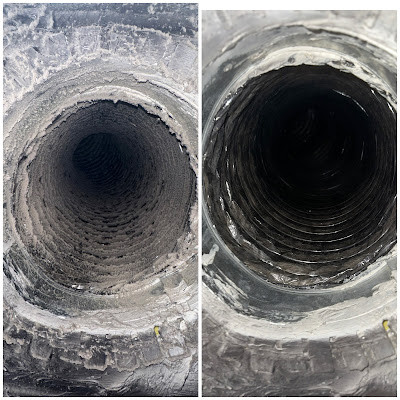
Thick layers of dust compacted in corners of rectangular ducts.
-
Pet hair buildup in flexible ducts, especially in multi-story homes.
-
Moisture patches where condensation occurs near uninsulated duct runs.
-
Loose duct joints, leaking warm air into crawl spaces or attics.
Mold is another hidden threat. A University of Texas study found that 12% of Dallas homes tested in 2024 showed traces of mold spores in their ducts. Mold thrives in areas where condensation occurs, and it spreads quickly once the heating system cycles warm air through contaminated ducts.
Beyond health issues, blocked or leaky ducts cause uneven temperatures. Residents often complain that one room feels too hot while another stays cold. This imbalance is usually tied to dust accumulation restricting airflow or improper duct balancing at the time of installation.
The longer these issues remain unchecked, the more severe the impact becomes. Dust buildup traps additional debris, creating a cycle that lowers efficiency each season. Proper cleaning not only removes the contaminants but also helps extend the life of HVAC components that would otherwise be forced to work harder than designed.
Commercial Properties Cut Costs With Preventive Duct Cleaning Services
For commercial buildings across Dallas, preventive duct cleaning is becoming a budget-friendly strategy. Offices, restaurants, and retail spaces operate HVAC systems for longer hours, meaning ducts accumulate debris faster than in residential properties. A survey of 75 commercial buildings downtown found that systems cleaned annually used 18% less energy than those left untouched for more than three years.
The benefits extend beyond lower energy usage. Employees working in freshly maintained spaces reported fewer allergy-like symptoms during winter months. This directly affects absenteeism and productivity. For restaurants, clean ducts are vital to ensure kitchen exhaust and heating systems operate without releasing odors into dining areas.
Key observations from commercial projects in Dallas:
-
Large duct networks often show inconsistent airflow, corrected by cleaning and balancing.
-
Dust and grease buildup near food establishments is higher than average.
-
Office buildings with older insulation materials experience higher leakage rates.
Popular equipment brands like Trane and Carrier are often found in these buildings. Their manuals recommend cleaning at intervals of 12–24 months, depending on usage intensity. Ignoring this guideline increases strain on fan motors, leading to costly downtime during peak heating seasons.
Commercial cleaning also highlights the importance of maintenance schedules. Facility managers who implement semi-annual inspections report lower overall repair calls across multiple seasons. This preventive mindset saves not only on energy but also on the lifespan of expensive HVAC machinery.
By addressing duct issues before the busiest winter months, businesses can better predict operating costs and avoid system shutdowns that disrupt service. The pattern is consistent across industries—whether in retail outlets near NorthPark Center or warehouses in the outskirts, duct maintenance plays a role in controlling expenses.
New Data Connects Clean Ducts To Higher Property Value
Beyond energy savings and cleaner air, property value is another angle Dallas homeowners cannot overlook. A report from the Texas Real Estate Center in mid-2025 showed that homes with documented HVAC maintenance, including duct cleaning, sold 8–10% faster than comparable properties without records of service. Buyers increasingly ask for maintenance logs, viewing them as a sign of overall home care.
Inspectors often flag dirty duct systems during pre-sale checks. Visible dust at vents or inconsistent airflow between rooms can reduce buyer confidence. Realtors in Dallas note that families with children or elderly members are particularly concerned about indoor air quality.
Why clean ducts boost property appeal:
-
Improved air quality reassures buyers about a healthier living space.
-
Lower utility bills demonstrated through past data attract energy-conscious families.
-
HVAC systems with reduced strain appear newer and require fewer immediate upgrades.
One real estate firm in Plano shared statistics showing that 72% of buyers in their recent surveys asked questions about HVAC system age and maintenance. Homes where ducts were serviced within the past 18 months often commanded better offers.
In commercial real estate, clean ducts are equally critical. Tenants looking for office leases prefer spaces where air quality standards are documented. This aligns with OSHA recommendations that indoor pollutants be controlled through ventilation maintenance.
As Dallas continues to experience rapid property growth, small details like duct cleaning can make the difference between a smooth transaction and a stalled negotiation. Clean ducts not only benefit current residents but also set the stage for long-term market competitiveness.

Summary Lower Bills And Cleaner Air For Dallas Families 2025
Energy efficiency and healthy living conditions are now central concerns for Dallas residents as they head into another unpredictable winter season. The data gathered throughout 2025 makes it clear that neglected duct systems quietly increase energy waste, strain HVAC equipment, and lower indoor air quality across both residential and commercial properties. Families are noticing uneven heating, higher bills, and more frequent allergy flare-ups, while businesses face the added challenge of keeping large indoor spaces consistently comfortable without overspending on utilities.
Cleaning ducts removes dust, pet dander, mold spores, and smoke particles left behind by seasonal wildfires, all of which circulate through homes and offices when heating systems are active. The benefits extend beyond monthly energy use, reaching into property value and long-term system reliability.
A well-maintained duct system signals to future buyers and tenants that the property has been cared for properly and will not require immediate, costly upgrades. For further details, contact Elite American Home Services directly to schedule professional air duct inspection.

Contact Information:
Elite American Home Services
9330 Lyndon B Johnson Fwy #900,
Dallas, TX 75243
United States
. .
(469) 210-8092
https://www.elite-home-service.com/